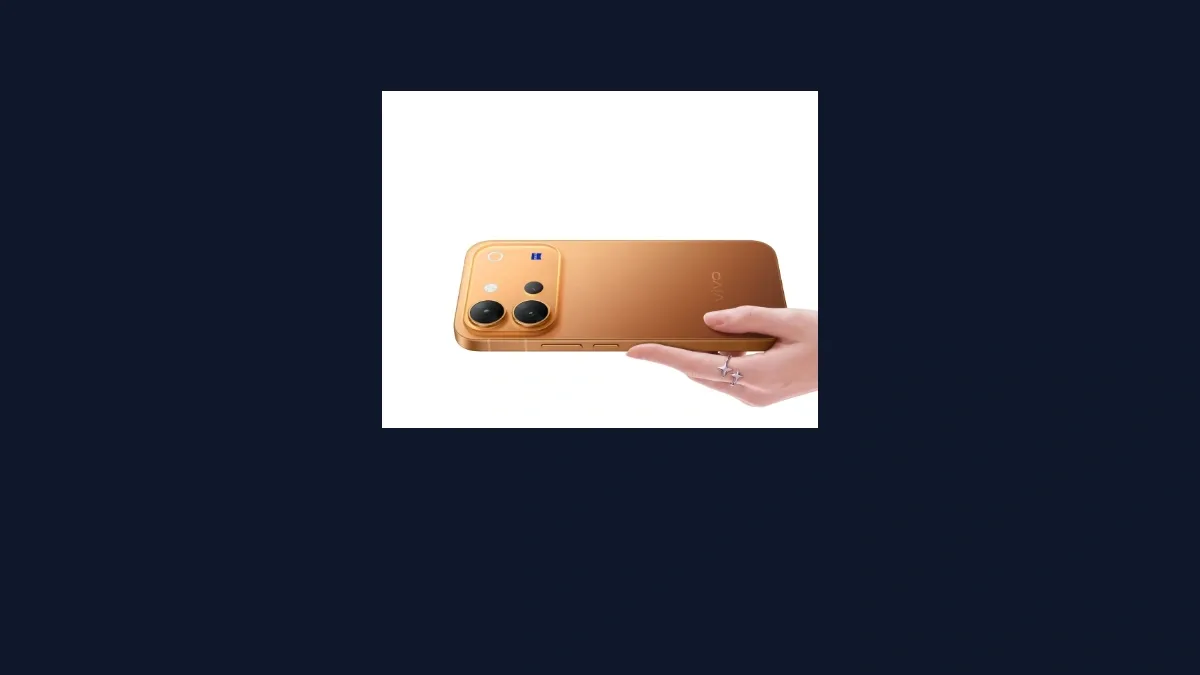
Vivo V80 in Nepal at Rs 1,08,999: Pre-Booking Checks
Vivo has officially launched the V80 in Nepal at Rs 1,08,999 for the 8GB/256GB variant, with the 8GB/512GB model at Rs 1,33,999, according to GadgetByte Nepal. Pre-booking is already open and runs only until November 4, so if this phone is on your list, the next few days matter. Here is what to check before you commit, as of November 2, 2026.

What Rs 1,08,999 Gets You
The V80 is Vivo's new upper mid-range V-series phone, the direct successor to the V70. The headline numbers, per Vivo's official launch materials and GadgetByte's reporting: a 6.59-inch 1.5K AMOLED display with a 144Hz refresh rate, a Snapdragon 7 Gen 4 chip, 8GB of RAM, and a very large 7,200mAh battery with 90W fast charging in a 7.69mm, 203g body with IP68 and IP69 dust and water resistance.
The camera system is co-engineered with ZEISS: a 50MP main camera (Sony LYTIA 700V, with OIS), a 50MP telephoto with 3x optical zoom, an 8MP ultrawide, and a 50MP selfie camera. The phone runs OriginOS 7 based on Android 17, and Vivo has promised six years of security updates.
The Pre-Booking Window (November 1 to 4)
Vivo's pre-booking offer, as reported by GadgetByte, includes free Vivo TWS earbuds for the first 1,200 customers, front and back screen breakage protection, Rs 2,000 cashback, a 6-month extended warranty, and 100GB of Google One storage for six months.
Two practical notes. First, "first 1,200 customers" is a nationwide pool, so the earbuds may run out before November 4 - if that freebie matters to you, earlier is safer. Second, confirm every offer item with the actual seller in writing on your invoice; pre-booking bundles in Nepal have a way of varying between what is advertised and what the counter hands over.
256GB or 512GB?
The Rs 25,000 gap between the two variants buys you only storage - the chip, RAM, cameras and battery are identical. Per GadgetByte's spec sheet, the higher storage variants also use the faster UFS 4.1 storage standard. If you shoot a lot of 4K video or keep large game libraries, the 512GB model is the safer 4-to-5-year phone. If you mostly stream and back photos up to the cloud, the 256GB saves real money.
V80 vs V70: What Actually Changed
If you own or were eyeing the V70, the honest summary is: incremental. The chip is the same Snapdragon 7-series generation family, so day-to-day speed will feel similar. The real upgrades are the battery (7,200mAh, up from 6,500mAh), the 144Hz display (up from 120Hz), and the new telephoto camera. If battery life is your top complaint, the V80 answers it directly. If not, a discounted V70 could be the smarter buy while stocks last.
The Honest Trade-offs
At this price, a few spec-sheet realities are worth knowing. The USB-C port runs at USB 2.0 speeds, so large file transfers to a computer are slow. The RAM is LPDDR4X, not the newer LPDDR5 standard some rivals use. And while Vivo advertises up to 5,000 nits of peak brightness, that figure applies to small highlights - sustained full-screen brightness will be lower, as with every phone marketed this way.
What to Actually Do
If the V80 fits your budget and you value battery life and portrait photography, the pre-booking bundle makes this week the best time to buy it - just verify each offer item with the seller and keep the invoice. If you are cross-shopping, compare it against other phones in the Rs 1,00,000 to Rs 1,35,000 range on camera, software support and after-sales service in your city, not just the spec sheet. And as always, buy from a seller who gives a proper VAT bill and written warranty terms.
Sources: GadgetByte Nepal (price, pre-booking offer and specifications, article updated November 1, 2026), vivo.com/np (official Nepal launch page). Camera and battery claims are Vivo's own marketing figures.